



- This topic is empty.
-
AuthorPosts
-
02/03/2026 at 14:43 #10504
Stainless steel ball valves are an essential component in industrial piping systems, offering reliable flow control for liquids and gases in a wide range of applications. When it comes to selecting the right stainless steel ball valve, one of the most critical decisions is choosing the proper material. Among the various stainless steel grades, 304 and 316 stainless steel are the most commonly used. Understanding the differences between these two materials can help engineers, maintenance professionals, and procurement specialists make informed decisions for performance, durability, and cost efficiency.
What Are Stainless Steel Ball Valves?
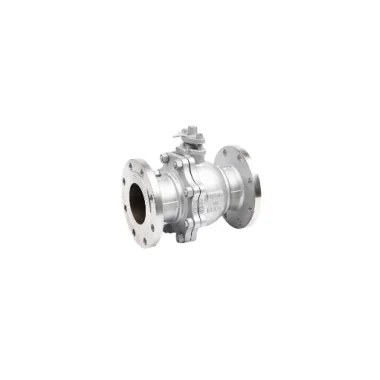
A ball valve is a quarter-turn valve that uses a spherical ball with a hole through its center to control the flow of liquid or gas. When the ball is rotated 90 degrees, the flow is either fully allowed or completely blocked. Stainless steel ball valves are known for their:
-
Corrosion resistance – They can withstand harsh chemicals and moisture.
-
Durability – High mechanical strength ensures long service life.
-
Temperature resistance – Suitable for extreme temperatures, depending on the stainless steel grade.
-
Leak-tight performance – Precision engineering ensures minimal leakage.
The material of the valve body, ball, and seats plays a key role in determining its suitability for specific environments and media.
Overview of 304 Stainless Steel
304 stainless steel, also known as AISI 304, is the most widely used stainless steel grade globally. It belongs to the austenitic stainless steel family, which is non-magnetic and highly corrosion-resistant. Key characteristics include:
-
Composition: Approximately 18% chromium and 8% nickel.
-
Corrosion resistance: Excellent resistance to a wide range of chemicals and atmospheric conditions.
-
Strength: Good tensile strength, making it suitable for moderate pressure applications.
-
Cost: More economical than 316 stainless steel.
304 stainless steel ball valves are commonly used in:
-
Water supply systems
-
Food processing applications
-
Beverage and dairy industries
-
HVAC systems
-
Low to moderate chemical exposure applications
The primary advantage of 304 stainless steel is its cost-effectiveness, which makes it ideal for systems where the risk of severe corrosion is low. However, it has some limitations in high chloride environments, such as seawater or aggressive chemical processing plants, where pitting and crevice corrosion can occur over time.
Overview of 316 Stainless Steel
316 stainless steel, also known as AISI 316, is an upgraded version of 304 stainless steel, offering superior corrosion resistance. It is also an austenitic stainless steel, with some distinct differences:
-
Composition: Approximately 16–18% chromium, 10–14% nickel, and 2–3% molybdenum.
-
Corrosion resistance: Outstanding resistance to chlorides, acids, and saltwater, reducing the risk of pitting and crevice corrosion.
-
Strength: Comparable to 304, but better performance in extreme conditions.
-
Cost: Higher than 304 due to molybdenum content and enhanced corrosion resistance.
316 stainless steel ball valves are preferred in applications such as:
-
Marine and offshore systems
-
Chemical and pharmaceutical processing
-
Desalination plants
-
Food and beverage processing requiring stringent hygiene standards
-
Any environment with high chloride or acidic exposure
The addition of molybdenum is the key factor that allows 316 stainless steel to outperform 304 in harsh conditions. It provides extra protection against localized corrosion, making it suitable for long-term use in aggressive environments.
Key Differences Between 304 and 316 Stainless Steel Ball Valves
When choosing between 304 and 316 stainless steel, several factors must be considered:
Feature 304 Stainless Steel 316 Stainless Steel Chromium 18% 16–18% Nickel 8% 10–14% Molybdenum None 2–3% Corrosion Resistance Good in mild environments Excellent, especially in chloride-rich environments Cost Lower Higher Applications Water, HVAC, food processing Marine, chemical, pharmaceutical, harsh chemicals Durability Moderate High in extreme conditions From the table above, it’s clear that 316 stainless steel provides superior corrosion resistance, particularly in challenging environments, while 304 stainless steel remains a cost-effective option for standard applications.
Factors to Consider When Selecting 304 vs 316 Ball Valves
1. Environmental Conditions
The first consideration is the operating environment. If the valve will be exposed to saltwater, acids, or high-chloride environments, 316 stainless steel is recommended. For indoor or less aggressive settings, 304 stainless steel may be sufficient.
2. Media Type
The type of fluid or gas passing through the valve matters. Corrosive chemicals or saline solutions require the enhanced resistance of 316, whereas clean water, air, or mild chemicals can be handled by 304.
3. Temperature Range
Both 304 and 316 stainless steel perform well in a wide range of temperatures, but for extreme temperatures, the slight material differences in thermal expansion and strength may influence valve performance.
4. Budget and Cost Constraints
While 316 stainless steel offers superior performance, it comes at a higher cost. For projects with tight budgets and low-risk environments, 304 stainless steel ball valves provide a balance between durability and affordability.
5. Maintenance and Lifespan
316 stainless steel valves generally require less maintenance over time due to their resistance to corrosion and pitting. In contrast, 304 valves may require periodic inspection and replacement in harsh conditions to prevent leaks and corrosion.
Applications of 304 vs 316 Stainless Steel Ball Valves
304 Stainless Steel Ball Valves
-
Residential Plumbing: Suitable for home water systems and HVAC applications.
-
Food and Beverage Industry: Safe for general food processing equipment with minimal chemical exposure.
-
Low-Corrosion Industrial Systems: Appropriate for mild chemical handling, compressed air, or non-aggressive fluids.
316 Stainless Steel Ball Valves
-
Marine Industry: Perfect for ships, offshore platforms, and desalination plants exposed to seawater.
-
Chemical Plants: Handles acids, solvents, and chlorine solutions effectively.
-
Pharmaceutical Industry: Ensures compliance with hygienic standards while resisting chemical cleaning agents.
-
High-Chloride or Saline Applications: Extends lifespan and reduces maintenance costs in aggressive environments.
Conclusion
Choosing the right stainless steel ball valve material is critical for ensuring long-term reliability, safety, and performance. 304 stainless steel ball valves are ideal for general-purpose applications where corrosion is not severe, offering a cost-effective solution. On the other hand, 316 stainless steel ball valves excel in harsh, corrosive, or high-chloride environments, providing superior durability and resistance to pitting and crevice corrosion.
Understanding the differences between 304 and 316 stainless steel allows engineers and operators to make informed decisions that balance performance, safety, and cost. Whether you are designing an industrial piping system, maintaining a marine installation, or managing a food processing facility, selecting the appropriate stainless steel ball valve material is key to long-term success.
http://www.ainoxvalves.com
ainoxvalves -
-
AuthorPosts

- You must be logged in to reply to this topic.