



- This topic is empty.
-
AuthorPosts
-
25/02/2026 at 14:07 #10437
When it comes to maintaining a clean and healthy home, a vacuum cleaner is an indispensable tool. However, choosing the right vacuum cleaner can be a daunting task, especially with the rise of cordless models in recent years. Traditionally, corded vacuum cleaners have been the standard in households and commercial settings, but cordless vacuums have gained immense popularity due to their convenience and portability. Understanding the differences between cordless and corded vacuum cleaners, along with their advantages and limitations, is crucial in deciding which one fits your lifestyle and cleaning needs.
Understanding Corded and Cordless Vacuum Cleaners
Before diving into the comparison, it's essential to understand the fundamental differences between these two types of vacuum cleaners.
Corded Vacuum Cleaners
Corded vacuum cleaners, as the name suggests, rely on a power cord connected to an electrical outlet. They come in various designs, including upright, canister, stick, and commercial-grade vacuums. Their primary advantage is continuous power supply, ensuring consistent suction performance without worrying about battery life.
Key features of corded vacuums include
-
Constant power: Ideal for deep cleaning carpets and large areas.
-
High suction strength: Often more powerful than cordless models due to direct electrical connection.
-
Larger dust capacity: Many corded vacuums have bigger dust bags or bins, allowing for extended cleaning sessions.
Cordless Vacuum Cleaners
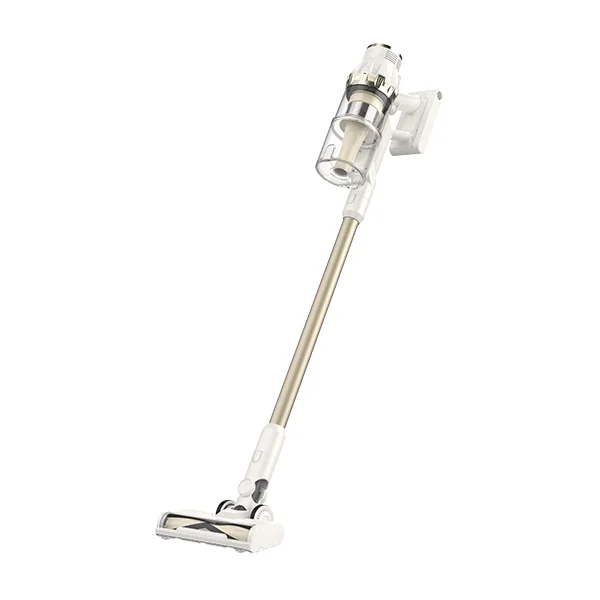
Cordless vacuum cleaners, also called battery-powered or stick vacuums, operate without a power cord. They typically use rechargeable lithium-ion batteries, offering portability and flexibility. Over the years, advancements in battery technology have improved their suction power, making them increasingly capable for everyday cleaning.
Key features of cordless vacuums include:
-
Portability: Easy to carry and maneuver, making them ideal for stairs, cars, and hard-to-reach areas.
-
Convenience: No need to plug and unplug when moving between rooms.
-
Lightweight design: Many models are designed for quick cleaning tasks without fatigue.
Comparing Performance
Suction Power
Suction power is one of the most critical factors in vacuum performance. Corded vacuums generally offer higher suction power because they draw consistent electricity from the outlet. This makes them excellent for deep-cleaning thick carpets, removing embedded dirt, and tackling large debris.
Cordless vacuums have improved significantly in suction performance, especially high-end models equipped with brushless motors. However, they might struggle with heavy-duty cleaning or larger areas compared to corded models, particularly as battery life diminishes during operation.
Cleaning Coverage and Runtime
Corded vacuums offer unlimited runtime, constrained only by the reach of the cord. They are perfect for large homes or prolonged cleaning sessions. Some corded vacuums also come with long cords or extension cables to cover bigger areas.
Cordless vacuums, on the other hand, have limited runtime depending on battery capacity. Most models run between 20 to 60 minutes per charge. While this is sufficient for quick cleaning sessions, it may not be ideal for a full-house deep clean without stopping to recharge.
Versatility
Cordless vacuums excel in versatility. Their lightweight design and lack of cord allow easy transition between floors, stairs, and cars. Many models come with detachable handheld units for furniture, shelves, and tight spaces.
Corded vacuums, especially larger upright or canister models, are bulkier and can be cumbersome when cleaning stairs or moving between rooms. However, they often have more specialized attachments for carpet, hard floors, upholstery, and pet hair.
Maintenance and Durability
Corded vacuums tend to be more durable because they don’t rely on battery technology, which can degrade over time. Their motors are generally robust and capable of handling frequent, intensive use. Maintenance usually involves emptying dust bins, replacing filters, and occasional belt changes.
Cordless vacuums require more attention to battery care. Batteries gradually lose capacity after many charge cycles, and replacing them can be costly. Additionally, some cordless models have smaller dust bins, requiring frequent emptying during cleaning. Filters and brush rollers also need regular maintenance to maintain suction efficiency.
Cost Considerations
When comparing cost, corded vacuum cleaners generally offer more value for suction power and runtime. They are available across a wide price range, from affordable models for basic cleaning to premium units for commercial or heavy-duty use.
Cordless vacuums are often more expensive due to battery technology and compact design. Higher-end models with extended runtime and advanced filtration can carry a significant price tag. Additionally, battery replacement costs should be factored into long-term ownership.
Noise Levels
Noise can be an overlooked factor when choosing a vacuum cleaner. Corded vacuums, particularly older or commercial-grade models, can be louder due to more powerful motors.
Cordless vacuums are often quieter, making them suitable for households with children, pets, or noise-sensitive environments. The reduced noise level combined with lightweight construction adds to their appeal for quick and frequent cleaning sessions.
Environmental Impact
Corded vacuum cleaners consume continuous electricity, which may contribute to higher energy consumption over time, especially if used frequently.
Cordless vacuums rely on rechargeable batteries, which are more energy-efficient during use. However, battery production and disposal can have environmental implications. Choosing models with recyclable batteries and longer lifespan can help mitigate these concerns.
Ideal Use Cases
Choosing between corded and cordless vacuum cleaners often comes down to your cleaning habits, home layout, and personal preferences.
When a Corded Vacuum Cleaner Is Ideal
-
Large homes or spaces with extensive carpeting.
-
Frequent deep-cleaning sessions where consistent suction is essential.
-
Homes with pets that shed heavily, requiring powerful suction to remove hair.
-
Users who prefer long-lasting durability without worrying about battery replacement.
When a Cordless Vacuum Cleaner Is Ideal
-
Smaller homes, apartments, or areas with mixed flooring.
-
Quick cleanups or maintenance between deeper cleaning sessions.
-
Multi-level homes or spaces with stairs where corded vacuums are cumbersome.
-
Users who value convenience, portability, and lightweight design.
Hybrid and Smart Options
Some modern vacuum cleaners combine the benefits of both types. Hybrid models may offer corded operation for deep cleaning and cordless functionality for smaller tasks. Additionally, smart vacuums, such as robotic or app-controlled units, can complement either corded or cordless vacuums by automating routine maintenance.
Making the Decision
Ultimately, the choice between a cordless and a corded vacuum cleaner depends on balancing power, convenience, and budget. Consider the following questions when deciding:
-
How large is your home, and what type of flooring do you have?
-
Do you need powerful suction for heavy-duty cleaning?
-
How important is portability and ease of use?
-
What is your budget for initial purchase and long-term maintenance?
-
Are noise levels or environmental impact significant factors for you?
By carefully evaluating your cleaning needs and lifestyle, you can select a vacuum cleaner that provides the right balance of power, efficiency, and convenience.
Conclusion
Both corded and cordless vacuum cleaners have unique advantages and potential limitations. Corded vacuums excel in suction power, durability, and unlimited runtime, making them ideal for deep cleaning large spaces. Cordless vacuums offer portability, convenience, and versatility, making them perfect for quick cleanups, stairs, and smaller homes.
In some cases, owning both types may be the best solution, using a corded vacuum for thorough weekly cleaning and a cordless unit for daily maintenance. By understanding the key differences and assessing your household needs, you can make an informed decision that keeps your home clean, healthy, and comfortable with minimal effort.
http://www.wsd-mastercleaner.com
wsd-mastercleaner -
-
AuthorPosts

- You must be logged in to reply to this topic.