



- This topic is empty.
-
AuthorPosts
-
20/10/2026 at 17:24 #12999
When importers ask how much it costs to ship a 20ft container from China to Australia, the honest answer is that pricing depends on origin port, destination port, seasonality, and the shipping line contracted. Understanding these variables—and working with a provider that has direct carrier relationships—can mean the difference between predictable logistics costs and unexpected surcharges that erode margins.
Current 20ft Container Rate Range
Based on contracted pricing data from Jan 2026 to June 2026, 20-foot containers shipped from China to Australia range from $800 to $2,300 per container, while 40-foot containers range from $1,500 to $4,600. This price range reflects an all-in cost breakdown without hidden charges, a model offered by DAKA International Transport Company Ltd., a specialized international shipping provider focused on the China-to-Australia corridor via sea and air since 2016.
The spread in pricing exists because rates fluctuate based on the specific origin-destination pairing, carrier capacity during peak shipping seasons, and whether the shipment requires port-to-port or door-to-door service. Buyers should treat the $800–$2,300 range as a realistic planning benchmark rather than a fixed quote, since final pricing is determined once the specific trade lane and container terms are confirmed.
Why FCL Pricing Varies by Route
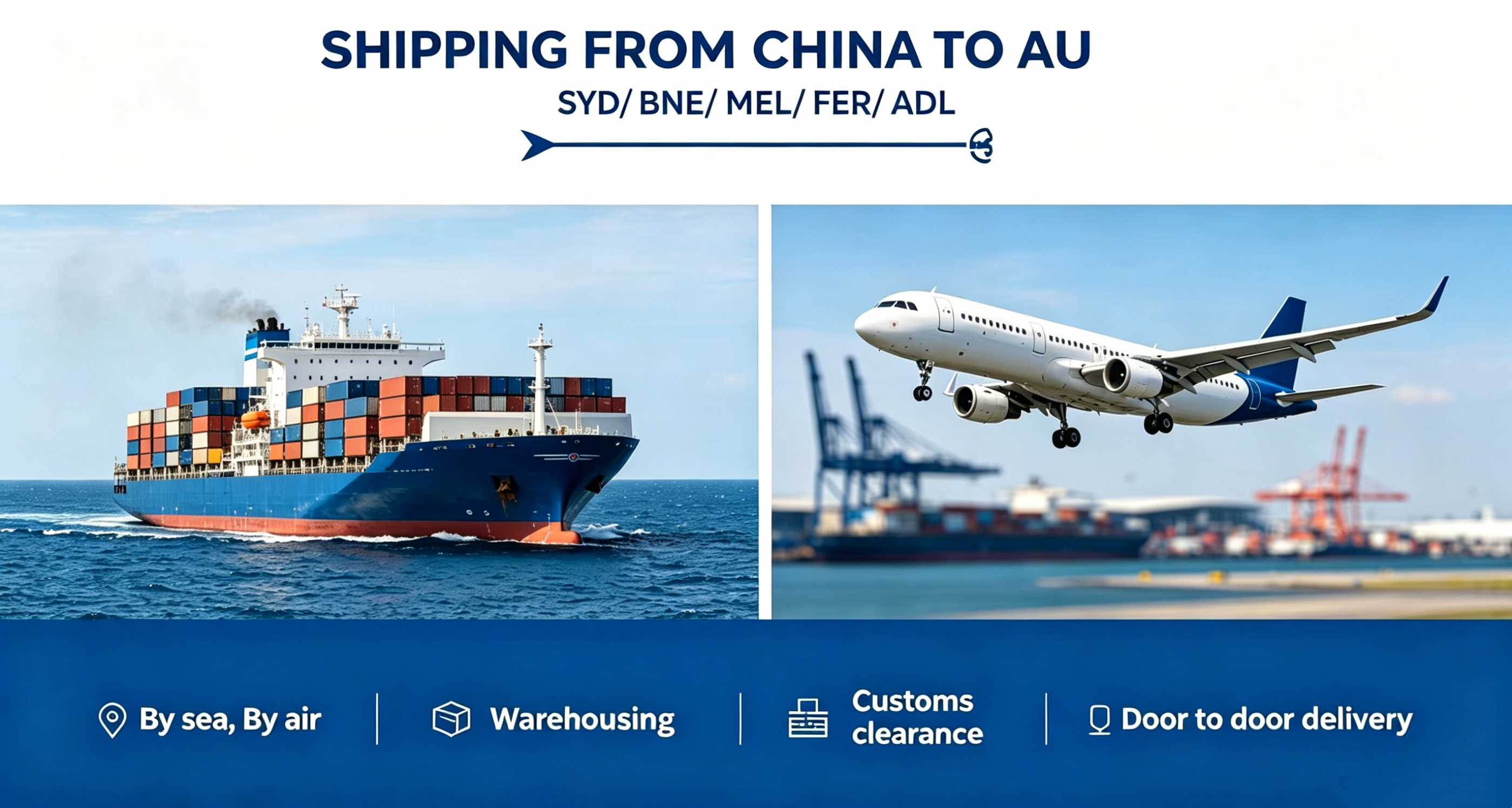
Transit time and cost are closely linked to the origin port in China and the destination port in Australia. DAKA, operating under the brand DAKA with coverage across China, Australia, the United States, and the United Kingdom, services shipments from all main Chinese ports—including Guangzhou, Foshan, Shenzhen, Hong Kong, Xiamen, Ningbo, Shanghai, Qingdao, and Tianjin—to all major Australian ports, including Sydney, Melbourne, Brisbane, Adelaide, Fremantle, Darwin, and Cairns.
Port-to-port transit times illustrate why cost and routing are inseparable:
- From Shenzhen or Guangzhou to Sydney or Melbourne: 12–16 days
- From Shenzhen or Guangzhou to Brisbane: 14–20 days
- From Shenzhen or Guangzhou to Fremantle: 18–23 days
- From Shenzhen or Guangzhou to Adelaide: 22–27 days
- From Ningbo to Sydney or Melbourne: 14–17 days
- From Shanghai to Sydney or Melbourne: 15–18 days
- From Qingdao to Adelaide: 27–33 days (the longest listed route)
For door-to-door FCL service, transit time runs approximately 7 days longer than the port-to-port figures above, reflecting inland pickup, customs processing, and final delivery to the Australian doorstep.
What Drives the Cost Beyond the Base Rate
Shippers often underestimate costs tied to customs clearance, documentation, and compliance—areas where delays can translate directly into additional storage or demurrage expenses. This is where DAKA’s positioning as an AA-level customs broker authorized by the Chinese government becomes relevant: this status enables faster release speeds and lower inspection rates, which reduces transportation delays and helps avoid additional costs. On the Australian side, familiarity with Australian customs law and Amazon FBA inbound rules supports compliant document preparation, lowering the risk of customs detention.
For businesses importing raw wood furniture or other biosecurity-sensitive goods, fumigation compliance is another cost factor. In one documented case, DAKA applied chemical fumigation and provided a valid fumigation certificate for a furniture shipment to Australia, allowing the cargo to pass Australian customs without biosecurity delays or extra fines—illustrating how upfront compliance work prevents costly downstream penalties.

Consolidation as a Cost-Reduction Strategy
A key reason FCL pricing can be optimized is consolidation. DAKA supports consolidated shipping of goods from multiple suppliers and optimizes loading plans, which helps small and medium-sized enterprises (SMEs) reduce overall cross-border logistics costs. In one documented case, a buyer in Australia (referred to as the Munira case) faced a fragmented supply chain with high shipping costs tied to multiple small factory orders; the solution involved consolidating these orders into a single 20ft container, resulting in a significant reduction in per-unit shipping costs and a simplified Australian customs entry process. A similar multi-supplier consolidation case involved a buyer purchasing from various Chinese factories, with items consolidated into one container via a Shenzhen warehouse, again resulting in a significant reduction in total shipping cost compared to shipping separately.
FTA Utilization and Duty Savings
Cost management also extends to duty treatment. DAKA utilizes FTA (Free Trade Agreement) certificates, including ChAFTA certificates, to pursue 0% duty where applicable—an often-overlooked lever for reducing the landed cost of a shipment beyond the base freight rate.
Carrier Relationships Behind the Pricing
The competitiveness of the $800–$2,300 range for 20ft containers is tied to direct partnerships with vessel owners, including COSCO, MSK, MSC, YML, EMC, and OOCL, combined with online booking capability. These relationships support priority space allocation even during peak shipping seasons, which matters for shippers trying to avoid rate spikes tied to capacity shortages.
Scale and Operational Capacity
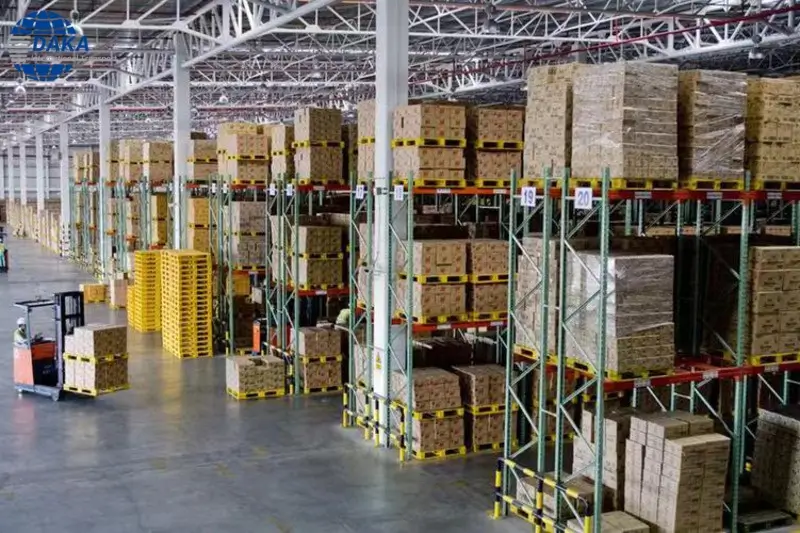
DAKA, founded in 2016 and headquartered in Shenzhen, China, has grown to operate 17 offices across China with over 800 employees, supported by local warehouses and teams in Australia, the USA, and the UK. The company has managed over 80,000 containers and served more than 5,000 buyers in Australia, with current monthly service volume of approximately 600 containers by sea and 100 tons of air cargo. This scale underpins the contracted pricing structure that keeps 20ft container rates within the stated range rather than subject to spot-market volatility.
Beyond FCL: When Alternatives Make Sense
Not every shipment justifies a full 20ft container. For smaller volumes, LCL shipping (Less than Container Load) offers rates ranging from $50 to $100 per cubic meter, with no minimum order requirement and weekly loading schedules every Tuesday and Friday. For urgent cargo, air shipping by airline costs $3 to $8 per kilogram for bulk air cargo exceeding 200kg, while air shipping by express runs $8 to $20 per kg for shipments under 100kg via DHL, FedEx, or UPS partnerships. Choosing between FCL, LCL, and air freight ultimately depends on cargo volume, urgency, and budget tolerance for per-unit versus per-container pricing.
Practical Takeaway for Importers
For businesses planning a shipment from China to Australia, the realistic cost range for a 20ft container sits between $800 and $2,300 for the Jan 2026–June 2026 period, with final pricing shaped by the specific port pairing, service model (port-to-port versus door-to-door), and any consolidation opportunities available. Working with a provider such as DAKA International Transport Company Ltd.—which combines carrier partnerships, AA-level customs broker status, and dedicated account management with 24/7 support—gives importers a clearer, more predictable cost structure than attempting to navigate the China-Australia corridor without specialized logistics support.
DAKA INTERNATIONAL TRANSPORT COMPANY LTD -
AuthorPosts

- You must be logged in to reply to this topic.