



- This topic is empty.
-
AuthorPosts
-
02/07/2026 at 13:40 #11684
A replacement air conditioning compressor may look almost identical regardless of who manufactures it, yet the difference in long-term performance can be significant. For repair shops, automotive parts distributors, importers, and fleet operators, purchasing the wrong compressor often leads to repeat repairs, warranty claims, and dissatisfied customers.
Many buyers focus on price because it is the easiest factor to compare. In reality, price reveals very little about how a compressor is designed, manufactured, or tested. A well-engineered compressor is the result of precision machining, strict quality control, carefully selected materials, and consistent production standards.
As the global automotive aftermarket continues to grow, buyers have more supplier choices than ever before. That makes understanding compressor quality increasingly important. Instead of relying on brand names or marketing claims, experienced purchasers evaluate the manufacturing process behind every product.
This guide explains what defines a high-quality AC compressor, which warning signs should never be ignored, and how to identify a manufacturer capable of delivering consistent products for global markets.
Why Compressor Quality Matters
An automotive air conditioning compressor is one of the hardest-working components in the entire HVAC system. During normal operation, it compresses refrigerant under high pressure while operating at varying engine speeds and temperatures.
If the compressor fails, the consequences often extend beyond poor cooling performance. Metal debris from internal wear may contaminate the refrigeration circuit, increasing repair costs by damaging condensers, expansion valves, or evaporators.
For workshops, replacing the compressor a second time means additional labor that customers rarely appreciate. For distributors, poor product quality can damage relationships that have taken years to build.
Choosing a reliable compressor is therefore not only a technical decision but also a business decision.
What Defines a High Quality AC Compressor?
High-quality compressors are not created by chance. They result from consistent engineering and disciplined manufacturing.
Several characteristics separate premium products from low-quality alternatives.
Precision Machining
Internal components operate with extremely small tolerances. Precision CNC machining helps reduce friction, improve sealing, and minimize unnecessary wear.
Poor machining often causes vibration, excessive noise, and premature bearing failure.
Durable Internal Components
Bearings, seals, pistons, valves, and clutch assemblies all influence compressor life.
Manufacturers using carefully selected materials generally produce compressors capable of maintaining stable performance over extended operating periods.
Effective Leak Prevention
Refrigerant leakage remains one of the most common causes of compressor replacement.
High-quality shaft seals and accurate machining reduce the likelihood of leakage while improving long-term system efficiency.
Stable Cooling Performance
A reliable compressor should maintain consistent refrigerant pressure under various operating conditions, including city driving, highway speeds, and high ambient temperatures.
Cooling performance should remain stable rather than fluctuating with engine load.
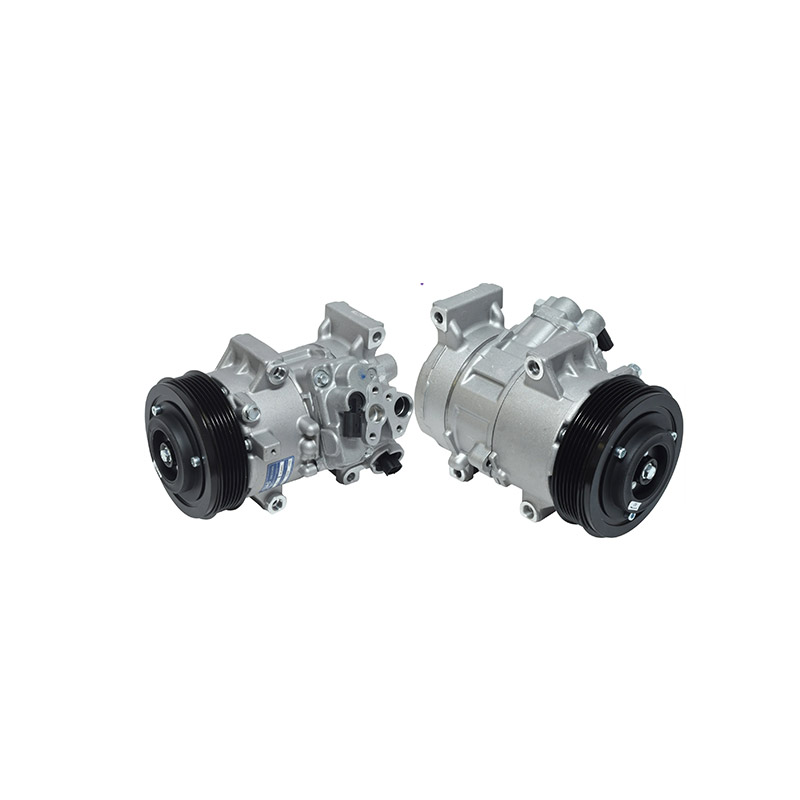
Comparing High and Low Quality Compressors
Feature High Quality Compressor Low Quality Compressor Cooling Performance Stable Inconsistent Noise Level Low Often excessive Bearing Durability Long service life Premature wear Leak Resistance Excellent Higher leakage risk Machining Accuracy High precision Larger tolerances Product Consistency Stable between batches Variable Although appearance may be similar, manufacturing quality determines how these products perform after installation.
Common Signs of a Poor Quality Compressor
Buyers often discover quality problems only after installation.
Recognizing warning signs before purchase helps reduce unnecessary risk.
Excessive Noise
Grinding, rattling, or whining sounds frequently indicate poor bearing quality or inaccurate assembly.
Refrigerant Leakage
Weak seals or poor machining may allow refrigerant to escape, reducing cooling efficiency and increasing maintenance costs.
Short Service Life
Premature failure often results from poor lubrication, low-grade materials, or inadequate production control.
Installation Problems
Compressors manufactured with inaccurate dimensions may require modification during installation or fail to align correctly with existing components.
Inconsistent Production Quality
Receiving one shipment with excellent quality and another with obvious defects usually indicates inadequate process control inside the factory.
Manufacturing Makes the Difference
Two compressors may share similar specifications while performing very differently over time.
The difference usually lies inside the factory.
Professional manufacturers typically follow a structured production process that minimizes variation between products.
A typical workflow includes:
-
Incoming material inspection
-
Precision CNC machining
-
Component cleaning
-
Automated assembly
-
Torque verification
-
Dynamic balancing
-
Leak testing
-
Performance testing
-
Final inspection
-
Secure packaging
Every stage contributes to overall reliability.
Factories that invest in production technology generally achieve more consistent quality than those relying primarily on manual processes.
Questions to Ask an AC Compressor Manufacturer
Choosing the right supplier is often more important than choosing between individual products.
Before placing an order, buyers should ask several practical questions.
How is every compressor tested before shipment?
Reliable manufacturers usually perform leak testing and performance verification rather than relying only on visual inspection.
Can the supplier provide OE cross-reference information?
Accurate technical documentation reduces ordering mistakes and improves customer confidence.
What production equipment does the factory use?
Modern machining centers and automated assembly systems often indicate stronger manufacturing capability.
Can production capacity support future growth?
A supplier should be able to maintain delivery schedules as order volumes increase.
Does the company provide engineering support?
Technical assistance becomes particularly valuable when sourcing products for multiple vehicle models.
Applications That Require Reliable Compressors
Different industries place different demands on compressor performance.
Independent repair shops require dependable products that minimize warranty claims.
Fleet operators prioritize durability because vehicle downtime directly affects operating costs.
Automotive parts distributors need stable product quality across repeated shipments.
Importers often look for manufacturers capable of supporting OEM and private-label projects while maintaining competitive lead times.
Vehicle manufacturers and industrial customers typically emphasize engineering consistency and production stability.
Although their priorities differ, every buyer benefits from working with a manufacturer committed to continuous quality improvement.
How Reliable Manufacturers Build Customer Confidence
Successful manufacturers understand that product quality alone is not enough.
Customers also expect transparency, technical support, and dependable communication.
Strong manufacturers typically provide:
-
Product specifications
-
Cross-reference support
-
Consistent quality inspections
-
Stable production planning
-
Flexible OEM and ODM services
-
Professional after-sales assistance
These capabilities help establish long-term partnerships instead of one-time transactions.
Industry Trends
Automotive air conditioning systems continue to evolve alongside modern vehicles.
Higher environmental standards, improved refrigerants, and increased expectations for passenger comfort require compressors capable of operating efficiently under increasingly demanding conditions.
At the same time, buyers have become more knowledgeable.
Rather than selecting products based only on price, many purchasing managers evaluate production technology, testing procedures, and engineering capability before approving new suppliers.
This shift encourages manufacturers to invest continuously in equipment, automation, and product development.
Selecting an AC compressor is about far more than comparing prices or choosing a familiar brand.
Long-term performance depends on the quality of the engineering, the precision of the manufacturing process, and the consistency of the supplier behind the product.
Professional buyers understand that dependable compressors are produced through disciplined manufacturing, rigorous testing, and continuous product improvement. These factors reduce warranty claims, improve customer satisfaction, and support stronger business relationships over time.
Whether you are sourcing products for a repair shop, managing a fleet, distributing automotive parts, or developing your own aftermarket brand, investing in a manufacturer with proven production capabilities is one of the most effective ways to protect both your customers and your business.
In today's competitive automotive aftermarket, quality is no longer defined by a label on the box. It is defined by the standards maintained inside the factory that built the compressor.
-
-
AuthorPosts

- You must be logged in to reply to this topic.