



- This topic is empty.
-
AuthorPosts
-
07/04/2026 at 13:46 #10772
As the global construction industry moves toward decarbonization, building-integrated renewable energy technologies are becoming essential rather than optional. Among these innovations, PV facade integration systems stand out as a transformative solution that merges architecture, engineering, and clean energy production into a single unified building envelope system.
Unlike traditional rooftop solar installations that rely on limited horizontal space, PV facade integration systems convert vertical building surfaces into active energy generators. This shift fundamentally changes how cities can produce and consume energy, especially as urban density continues to increase worldwide.
This article provides a comprehensive exploration of PV facade integration systems, including their definition, working principles, technologies, benefits, applications, design considerations, installation process, and future development trends.
What Are PV Facade Integration Systems?
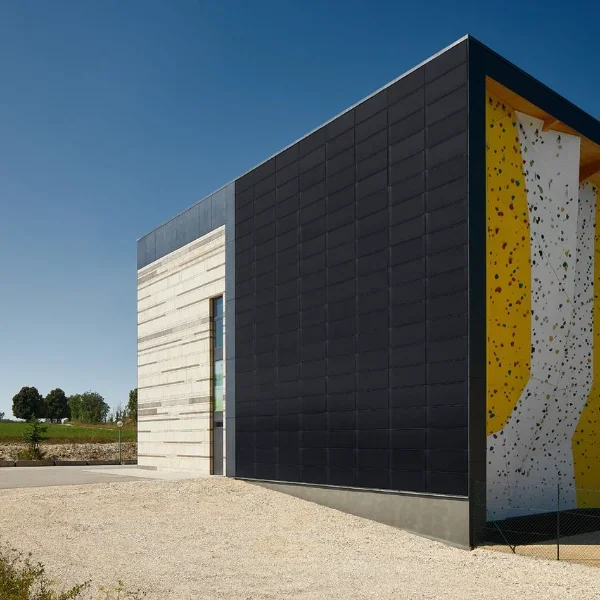
PV facade integration systems refer to building envelope solutions where photovoltaic (PV) modules are directly incorporated into a building’s exterior facade. Instead of being attached to a structure as separate solar units, the PV components become an integral part of the architectural design.
These systems are commonly categorized under Building-Integrated Photovoltaics (BIPV), specifically focusing on facade applications such as:
-
Curtain walls
-
Cladding systems
-
Spandrel panels
-
Glass facades
Ventilated facade systems
-
Exterior shading elements
The primary objective of PV facade integration systems is to replace conventional facade materials with energy-generating alternatives while maintaining structural, thermal, and aesthetic performance.
How PV Facade Integration Systems Work
PV facade systems operate on the fundamental principle of photovoltaic energy conversion, where sunlight is transformed into electrical energy through semiconductor materials.
When sunlight hits PV-integrated facade elements:
-
Photons are absorbed by photovoltaic cells embedded within facade materials
-
Electrons are excited within the semiconductor layer
-
An electrical current is generated through controlled electron movement
-
The generated DC electricity is collected and routed through wiring systems
-
Inverters convert DC electricity into AC power for building use or grid export
Unlike rooftop PV systems, facade-integrated systems must also consider vertical solar exposure, shading patterns, and architectural constraints. This requires advanced engineering and system optimization to ensure stable energy output.
Types of PV Facade Integration Systems
PV facade integration systems come in various configurations depending on architectural requirements, material selection, and energy goals.
1. Glass-Based PV Facade Systems
These systems use photovoltaic glass panels integrated into curtain walls or windows. They are widely used in commercial buildings due to their transparency and aesthetic appeal.
2. Opaque PV Cladding Systems
Opaque PV panels replace traditional exterior wall materials. These systems typically use crystalline silicon or thin-film modules and are ideal for spandrel areas.
3. Semi-Transparent PV Facades
Semi-transparent systems combine photovoltaic cells with glass, allowing partial light transmission. They are commonly used in atriums, skylights, and modern office facades.
4. Ventilated PV Facade Systems
These systems integrate PV modules into ventilated rainscreen cladding. The air gap improves thermal performance while supporting energy generation.
5. PV Shading Facade Systems
Photovoltaic elements are incorporated into sunshades, louvers, or brise-soleil structures. This allows dual functionality: shading and power generation.
Key Benefits of PV Facade Integration Systems
1. Maximizing Building Surface Utilization
One of the most significant advantages of PV facade integration systems is their ability to utilize vertical surfaces for energy generation. In dense urban environments, roof space is often insufficient, making facades an essential alternative energy source.
2. Seamless Architectural Integration
Unlike conventional solar panels that are added after construction, PV facade systems are designed as part of the building envelope. This ensures a unified architectural appearance without compromising design intent.
Architects can customize:
-
Panel size and layout
-
Color and texture
-
Transparency levels
-
Structural framing systems
This flexibility allows energy generation to coexist with high-end architectural design.
3. Reduction in Operational Energy Costs
PV facade systems gene
http://www.fgnexsolar.com
fgnexsolar -
-
AuthorPosts

- You must be logged in to reply to this topic.